Trading is the lifeblood of Path of Exile 2’s economy, a player-driven system that separates casual progression from efficient character growth. Unlike traditional RPGs with a single gold currency, Path of Exile 2 uses a diverse set of currency items that double as crafting tools-making trading both a necessity and an art. Whether you’re a new player looking to gear up or a veteran aiming to accumulate wealth, mastering the game’s trading mechanics is key to success. This guide breaks down everything you need to know to Poe 2 trade effectively.
1. Understand Path of Exile 2’s Currency System First
Before diving into trading, you must familiarize yourself with Path of Exile 2’s unique currency system. There is no “gold” in the game; instead, every currency item has a specific crafting function, and their rarity dictates their trading value. This dual purpose-crafting and trading-makes currency the foundation of all in-game exchanges.
The most essential currencies for trading are Chaos Orbs, Exalted Orbs, and Divine Orbs. Chaos Orbs are the mid-tier workhorse, used for re-rolling rare item modifiers and as a standard for most mid-range trades. Exalted Orbs are high-value currency, used to add affixes to rare items and for high-end transactions. Divine Orbs are valuable for crafting and trading, often exchanged for top-tier gear or large quantities of other currencies.
Lower-tier currencies like Alteration Orbs, Augmentation Orbs, and Transmutation Orbs are also vital for new players. They are easy to farm early on and can be traded in bulk for more valuable currencies. Remember: even common currencies add up-never discard them without checking their market value.
2. Use the In-Game Market Panel (New for Path of Exile 2)
Path of Exile 2 introduces a game-changing in-game Market Panel, eliminating the need to tab out to external trade websites. This seamless feature streamlines trading for both buyers and sellers, making it easier than ever to find or sell items.
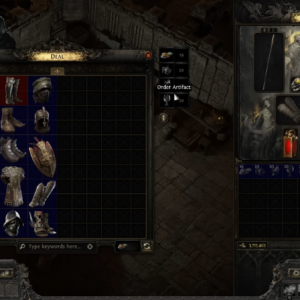
To access the Market Panel, click the hamburger menu near the health flask at the bottom left of your screen, or press the forward slash (/) key on your keyboard. The panel replicates all functions of the official trade website, allowing you to search for items, filter results, and secure purchases without leaving the game.
For buyers, the Market Panel’s filtering tools are a game-changer. You can sort items by rarity, level, modifiers, and price, ensuring you find exactly what you need. Once you’ve found an item, click “Secure Item” to teleport directly to the seller’s hideout and complete the purchase-no need for the seller to be active online thanks to asynchronous trading.
3. Master Asynchronous Trading (Instant Buyout)
Asynchronous trading is one of Path of Exile 2’s biggest upgrades, allowing players to trade without direct interaction. This system revolves around Ange, a merchant NPC in your hideout who acts as your 24/7 trading assistant.
To sell items asynchronously, speak to Ange and use the “Manage Shop” option to list your items with a set price. These items will appear in the Market Panel for other players to find, and buyers can teleport to your hideout to purchase them at any time. The currency from sales will automatically appear in your earnings tab, so you can keep playing without interruptions.
For buyers, the “Instant Buyout” filter in the Market Panel lets you quickly find items listed for asynchronous purchase. This is ideal for picking up essential gear or currency without waiting for sellers to respond to messages. Note that some items may require in-person trading, so always check the listing details before securing an item.
4. In-Person Trading: For Personalized Exchanges
While asynchronous trading is convenient, in-person trading is still useful for negotiating deals, trading unique items, or interacting with friends. This method follows a simple four-step process that’s easy to learn.
First, invite the player to your party-adding them as a friend first makes this easier. Once they’re in your party, right-click their name and select “Request Trade.” A trade window will open, where both of you can place the items or currency you want to exchange.
Always double-check the trade window before clicking “Accept.” Scammers may try to swap items or currency at the last second, so verify that the items match the agreed-upon terms. Once both players accept, the trade is final-no takebacks!
5. Key Tips for Successful Trading
Trading in Path of Exile 2 is as much about strategy as it is about mechanics. Follow these tips to avoid mistakes and maximize your profits.
First, research prices before trading. Use the Market Panel or official trade website to check the average price of items or currency. Prices fluctuate with league seasons, so stay updated to avoid being underpaid or overcharged. For example, low-tier currencies may be more valuable early in a league, while high-end gear spikes in value later on.
Second, organize your items with Merchant Tabs. These tabs (purchased from the microtransaction store or converted from premium stash tabs) let you list items neatly and set clear prices. A well-organized shop will attract more buyers and save you time answering questions about your items.
Third, prioritize bulk trading for low-value items. Selling 20 Transmutation Orbs as a bundle is more efficient than selling them one by one, and you can often get a better price per item. This applies to currency fragments, low-level gems, and common crafting materials too.
Finally, be polite and clear in communication. Use standard abbreviations (e.g., “B/O” for “Buyout Price”) to save time, and always confirm trade details before finalizing. A positive trading reputation will make other players more likely to trade with you again.
6. Advanced Trading: Scale Your Wealth
Once you’ve mastered the basics, you can use advanced strategies to grow your wealth. One effective method is flipping items-buying undervalued items and reselling them at a higher price. Look for items with rare modifiers or high demand (e.g., gear for popular builds) that are priced below market value.
Another strategy is crafting and selling high-value items. Use your cheap Path of Exile 2 Currency to craft rare items with desirable modifiers (e.g., increased damage, resistance, or life) and sell them to players looking to optimize their builds. Focus on meta builds-items tailored to popular character classes will sell faster and for more currency.
You can also take advantage of league-specific items. Each season introduces unique mechanics and items, which often have high demand early on. Farming these items and selling them during the peak of their popularity can yield significant profits.
Final Thoughts
Trading in Path of Exile 2 is a skill that improves with practice. Start small-trade low-tier currency and basic gear to get a feel for the market. As you gain experience, you’ll learn to recognize valuable items, negotiate effectively, and use the game’s tools to your advantage.
Remember: patience is key. Don’t rush to sell items for less than their worth, and don’t overpay for gear you don’t need. With time, you’ll turn trading into a reliable way to fund your character’s progression and become a master of Path of Exile 2’s economy.